Going to Japan was a “not anytime soon” type plan for me. It is a bit out of the way (12 to 14 hour flight from Amsterdam), it needs time and money. But it happened that I had all that this year and I thought: it must be a sign. Yeah, I’m one of those. Besides, I got my visa so easily – I still need to apply for visas, it’s not over yet – which meant I had to go.
Despite a horrible jet lag after a very long trip, I hit the streets of Tokyo: a city that knows no limits. You’ll probably need two lifetimes to see its main (big!) areas and visit all the restaurants, pubs, karaoke bars, museums, shrines/temples and manga comic stores. That’s when the Lonely Planet comes in handy because it helps you to be more selective and not lose your mind. There is just so much to see and do.
Tokyo is overwhelming. Its glass shiny buildings are modern and huge. Its streets are incredibly clean although you barely see trash bins anywhere. I have never carried so much trash in my bag as I did during this trip. Everything was so clean. At a public fish/meat market, we did not see one single fly, literally – it makes you want to keep it that way.
Indoor smoking was surprisingly allowed in Tokyo while it was illegal in undesignated public areas. The use of plastic bags was quite common every time you bought anything no matter how small in a shop or a supermarket. And the drinking. I thought Asians had more trouble tolerating their alcohol but it did not seem to be the case there. In all izakayas – small bars that can accommodate anywhere from 8 to 100 people who end up mingling together throughout the evening – salarymen and women still in work wear were drinking and chatting. Whenever I was heading out around 10 in the evening, I would see them heading back home, most of them looking exhausted or falling asleep in the subway. People seemed never to stop working: you don’t leave the office before your boss, and he does not leave either before his boss and it goes on and on. Some companies I learned have taken measures to block employees access to their emails starting a certain hour.
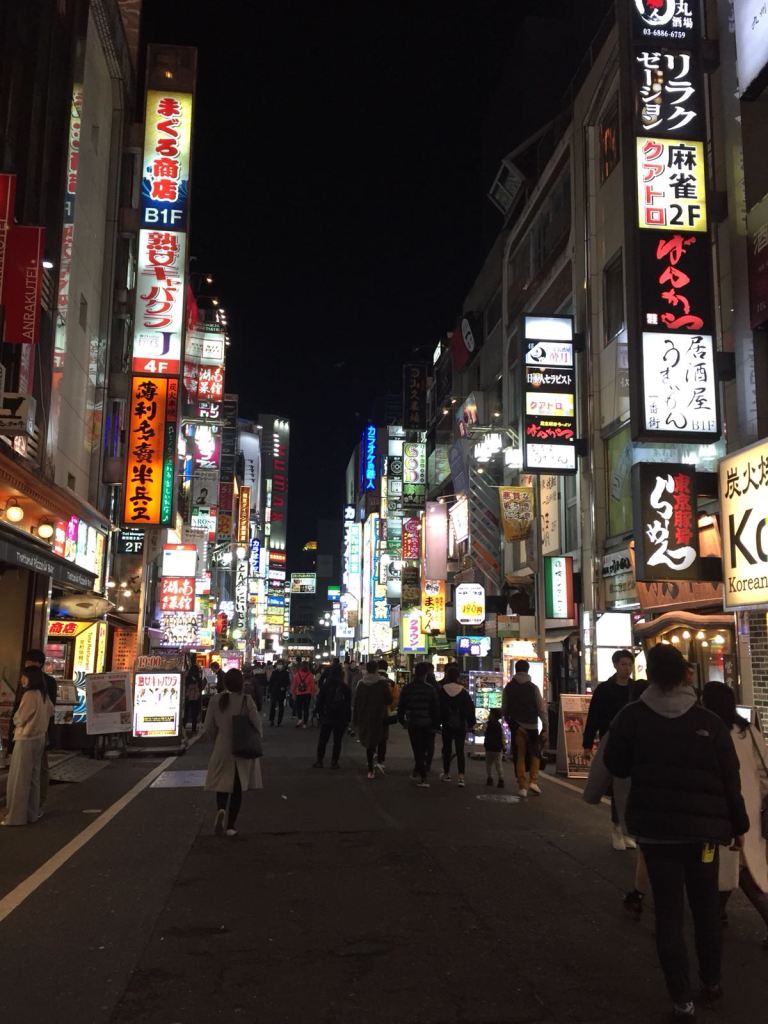
The city is so big that I felt very small, completely anonymous. It is very unlikely that you’ll ever run into a cousin or an ex there. Half of Tokyo exists in the form of subway and train stations. I got lost in stations due to the language barrier – not many people I met could speak English – but also because there were at least four or five exits to every station. The city has the most “polite and well behaved” red light district I’ve seen (okay, I’ve only see one, in Amsterdam). I wouldn’t have recognized it if it wasn’t for the “Sleep, rest or stay” sign at the entrance of so called love hotels and the many maid cafés. Apparently some bars hire women to cater to men or vice versa. I did not get the chance to know what actually happens in there. Maybe next time. Bright lights, music and ads are all over the place. Among the areas I visited were:
Shinjuku: Several buildings are dedicated only to Karaoke – it’s quite a serious business there. It wasn’t long before I rented a cubicle, probably 2×2 square meters, for half an hour. You can shout all you want and drink all the beer you can, it’s almost therapeutic. Before 11:00 P.M. I took a walk towards the Tokyo metropolitan Government Building. Once you are at one of their highest floors, you’ll be able to have a free night view of the city and its towers – or you can also try Tokyo SkyTree and pay a little (a lot) more.
Shibuya: It is known for its famous crossing, where every couple of minutes several hundreds of people cross in all directions. It looks like the start of a protest, but it’s really just Japanese following the rules like a well-organized stampede of harmony. Tokyo subways run until 12:30 after midnight and it happened that I missed mine in that part of town. Taxis are very expensive so I used that as an excuse to spend the night roaming around between bars and clubs until the early morning. Speaking of taxis, the door behind opens like magic. You don’t even need to touch it. Harajuku, which is a street in Shibuya, is a must see for those who like funky, pinky and kawaii (meaning cute) styles. It is known for its fashion scene, cafés and bars which attract mostly teenagers and youths. There’s so much pink everywhere that you feel you’re in a piece of bubble gum.
Akihabara: I thought I had stepped into a futuristic cartoon movie or comic book. Posters with different Manga characters – comics created in Japan in the late 19th century – are everywhere. They include “normal” funny comics and at times even adult or teen porn comics. Female cartoon illustrations take different shapes and forms but mostly, show manga girls in “sexy” school uniforms. It’s THE fantasy. Entire buildings are dedicated to virtual reality games, video games, electronic stores, animation, you name it. A total nerd haven but incredibly fun.
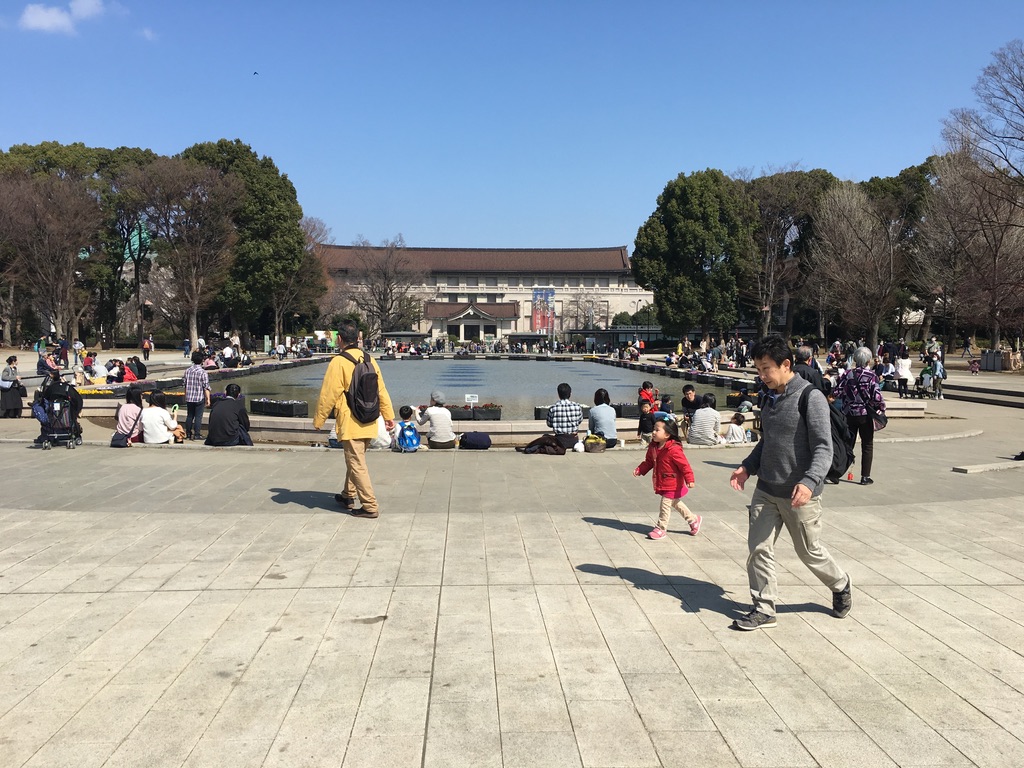
Ueno: This is where the Tokyo national museum is located (and a must see) in addition to several shrines and temples and a beautiful park.
Ginza: Here you are close to the imperial palace and can take long walks along shopping avenues while making stops in elegant bars and cafés. I seized the opportunity to book a single Kabuki act, which is a classical Japanese dance drama. It was called “Kanda Matsuri”. The story was available in English on a small screen. Only men are allowed to play the role of Geishas. The music, white facial make-up and clothes were very exotic, to me at least. Photos are not allowed.
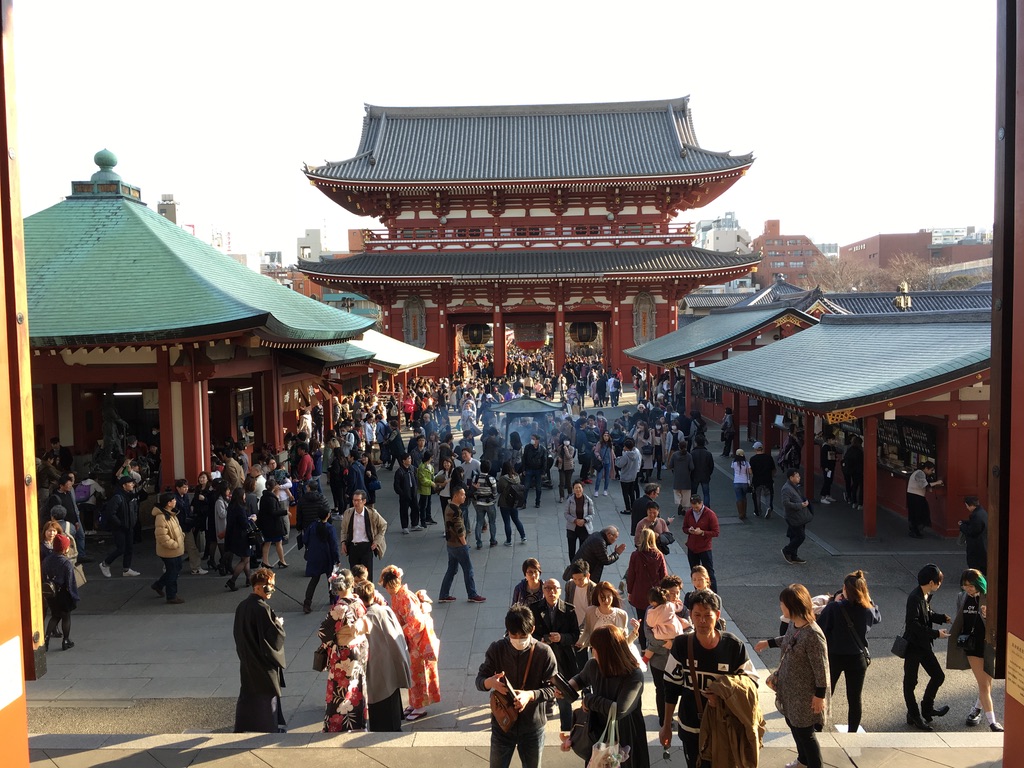
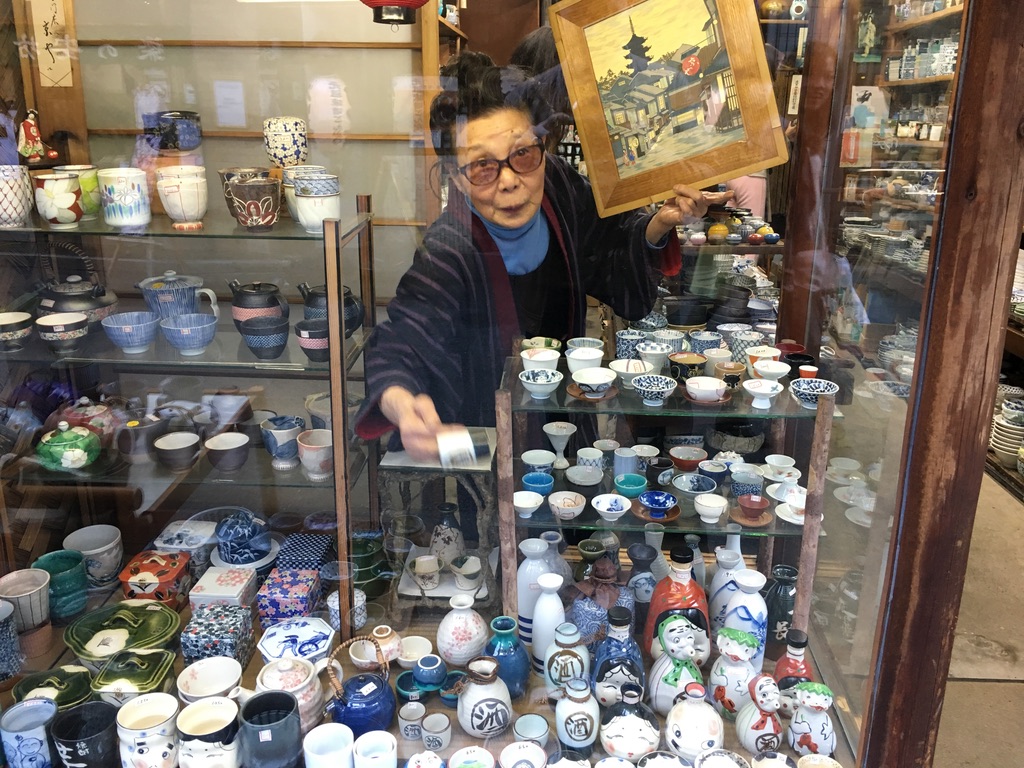
Asakusa, where the oldest temple of Tokyo is built: Senso-ji. I went there before sunset to enjoy the bright orange colors of the various buildings and visit craft, souvenir shops and eateries – got a cool sake set for home.
I really enjoyed my time everywhere I went. There was always something new to see, to eat (I put on two kilos in one month) and to discover. Even when you thought you’ve seen one street, more small bars and restaurants would appear in hidden alleys. It was just endless.
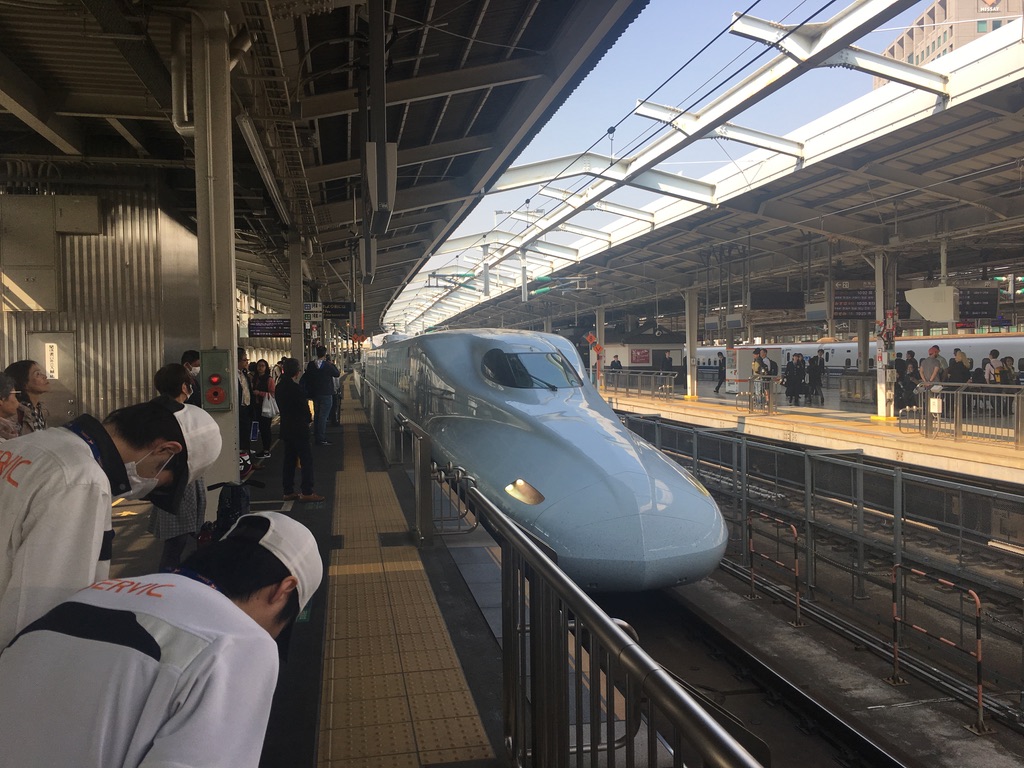
After seven days in Tokyo – which is not enough, I hopped on the Shinkansen or high speed train to Kyoto. And this thing goes like a bullet. It is very comfortable, clean and timely – not a second late (you can do better Holland!). In just a couple of hours, I was in Kyoto – after a very smooth trip and a glimpse on the way at Mount Fuji above the clouds.






 Life in Orange